7 hr
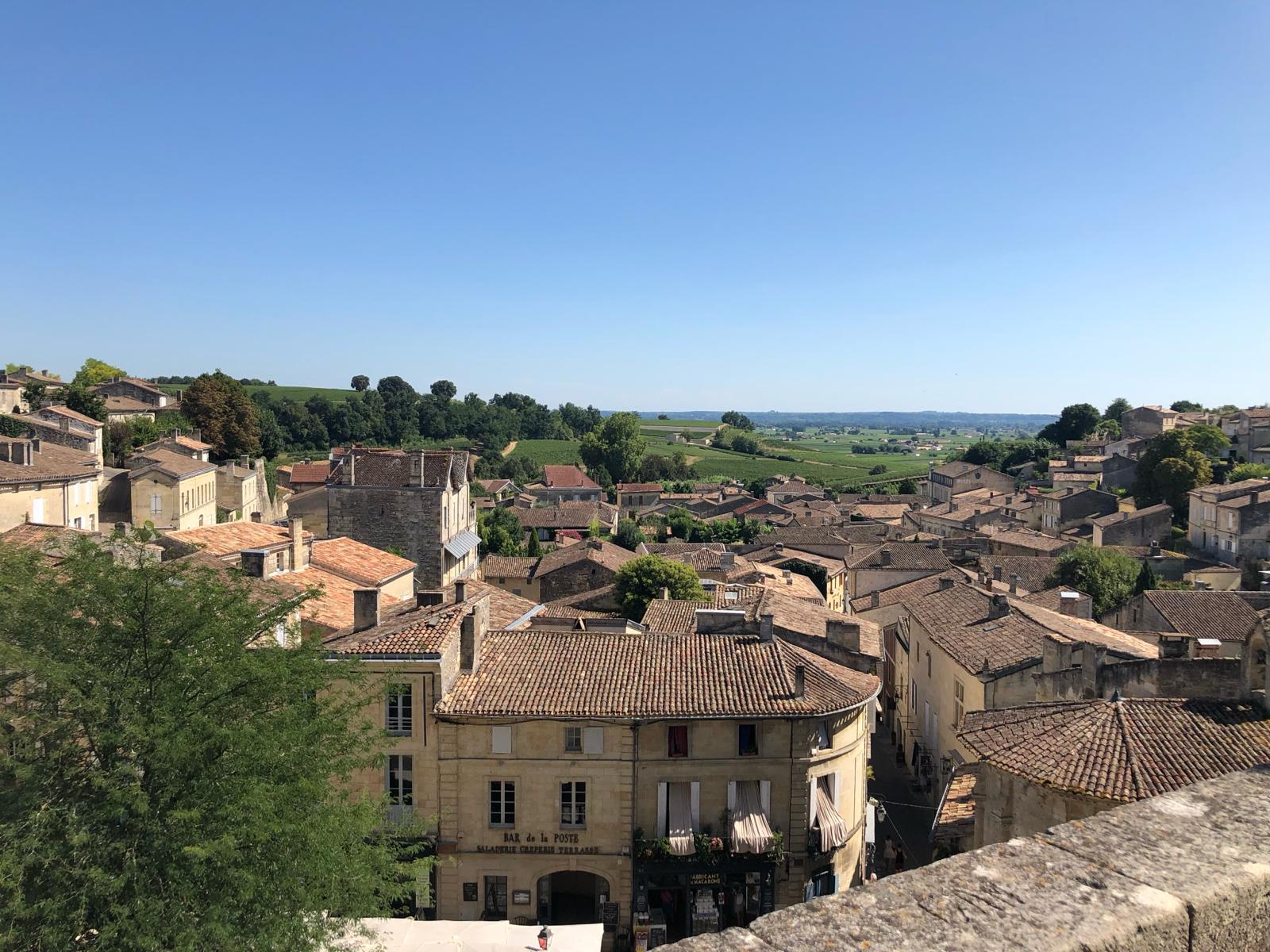
St-Emilion Wine Tour with Château Tastings & Lunch
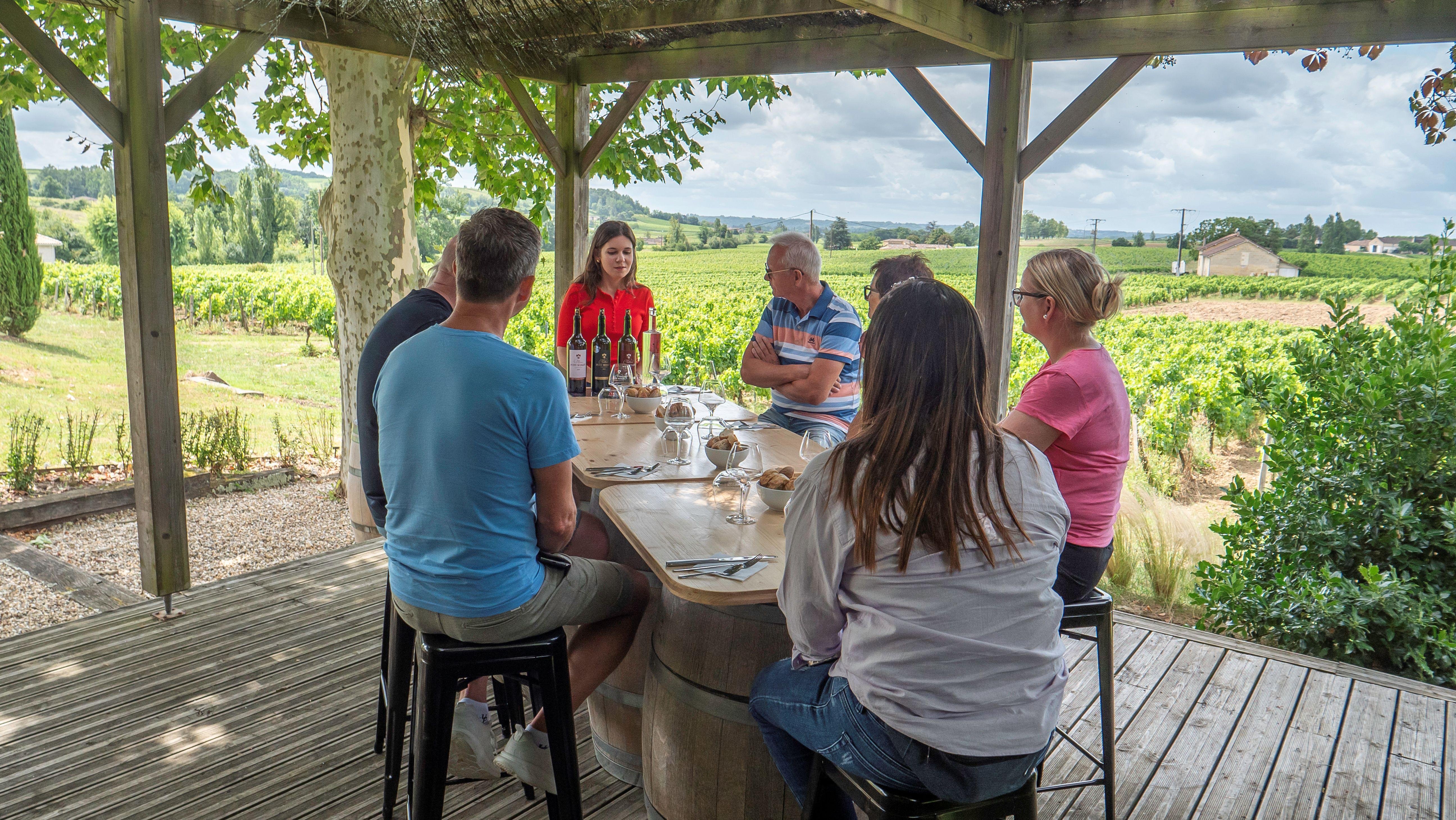
Full-day escape to UNESCO-listed St-Emilion with three estate visits, eight wine samples, and a gourmet picnic
Reserve
Canelés in old bakeries, oysters at Capucins market, wine cellars beneath stone arches.
Hand-picked by our editors — only the best 4 food tour experiences from 12 reviewed.
Verified partners for Bordeaux Food tours, free cancellation where available, and instant confirmation on every booking.
7 hr
Full-day escape to UNESCO-listed St-Emilion with three estate visits, eight wine samples, and a gourmet picnic
Reserve
9 hr
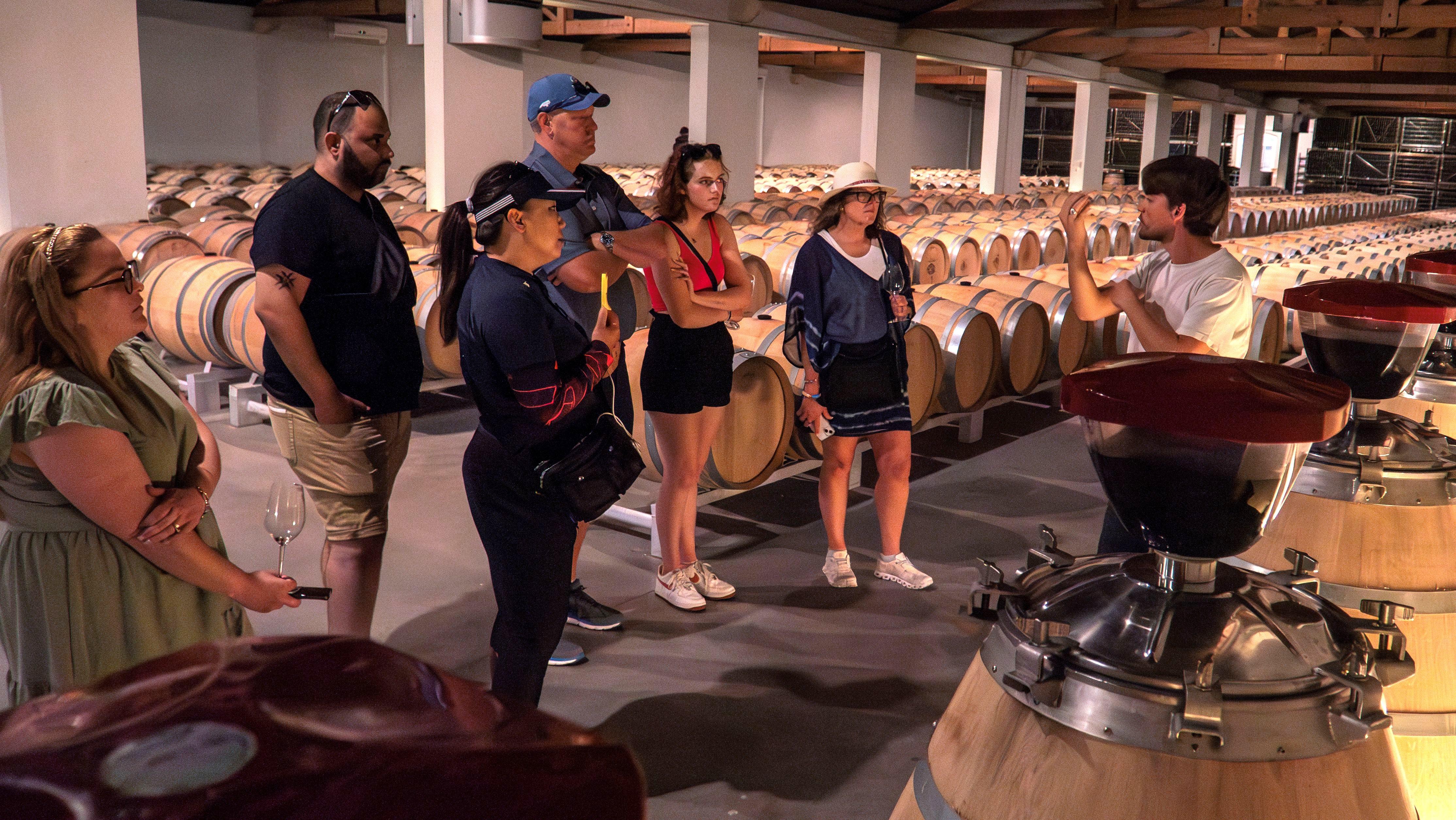
Explore both banks of Bordeaux's wine country with tastings at three estates and a gourmet picnic
Reserve
3 hr 30 min
Discover southwest France's culinary soul through hand-picked tastings across the city's best-kept addresses
ReservePrices from verified partners. Availability updates in real time at checkout. Free cancellation policies apply where shown.
The landmarks, rooms, and views travelers on Bordeaux Food tours remember — all visible on a single visit.
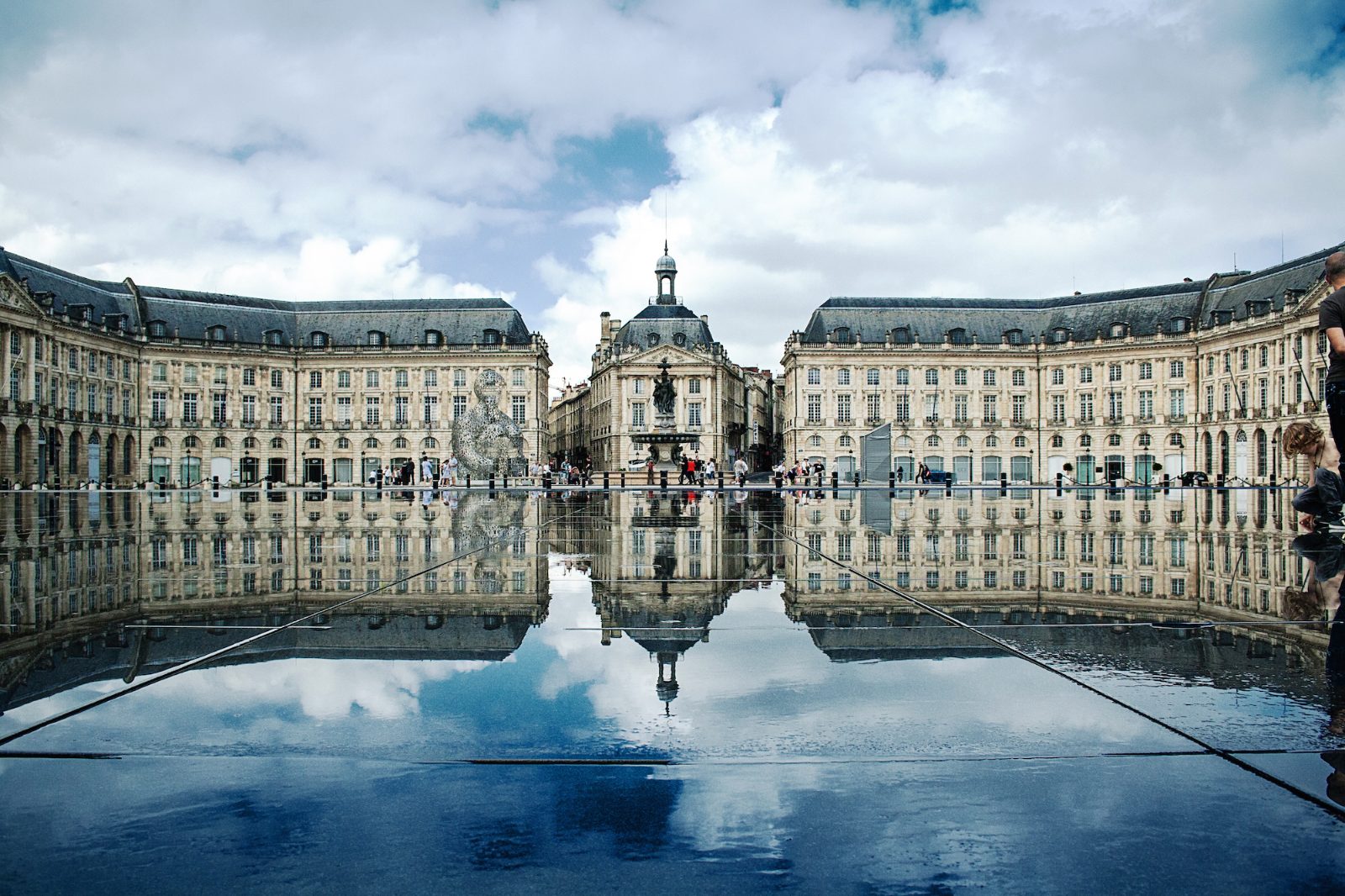
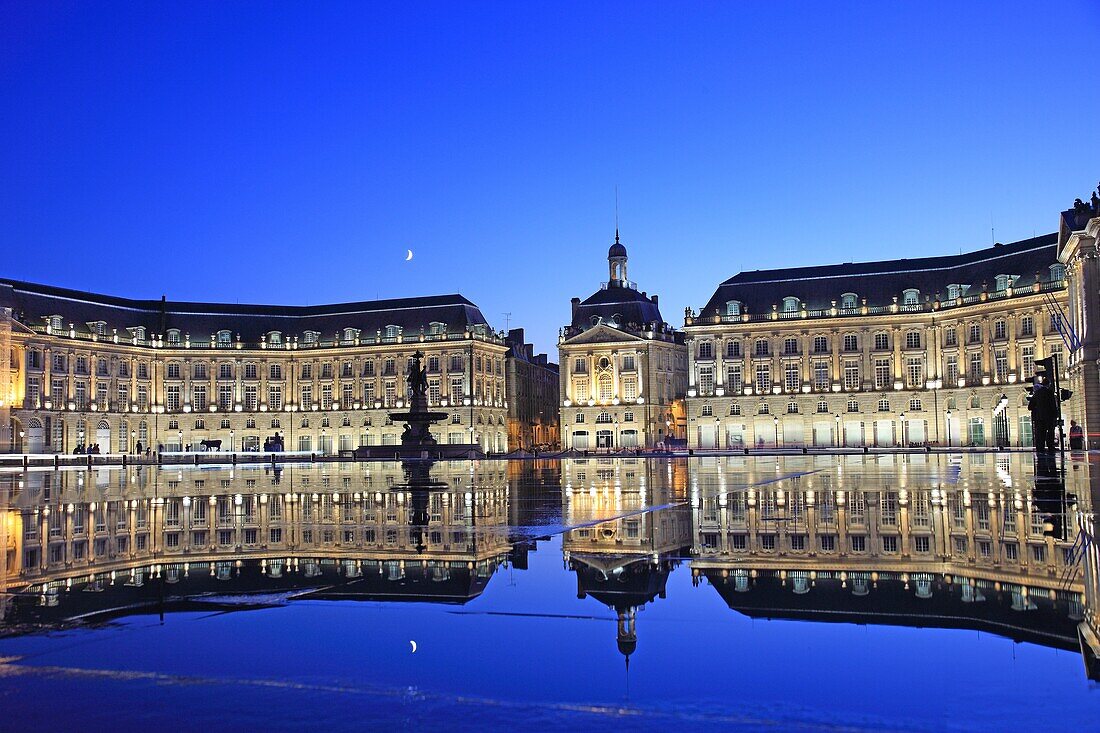
This 18th-century square is one of Bordeaux’s best-known urban compositions, designed with a formal symmetry that opens toward the Garonne. The site is strongly associated with the Water Mirror, one of the city’s most photographed effects and a useful way to anchor a Bordeaux food tour route.
The shallow reflecting pool in front of Place de la Bourse transforms the square into a second skyline on calm days. Its low water depth creates a changing surface that works especially well in the morning and at sunset, when light hits the façades at a shallow angle.
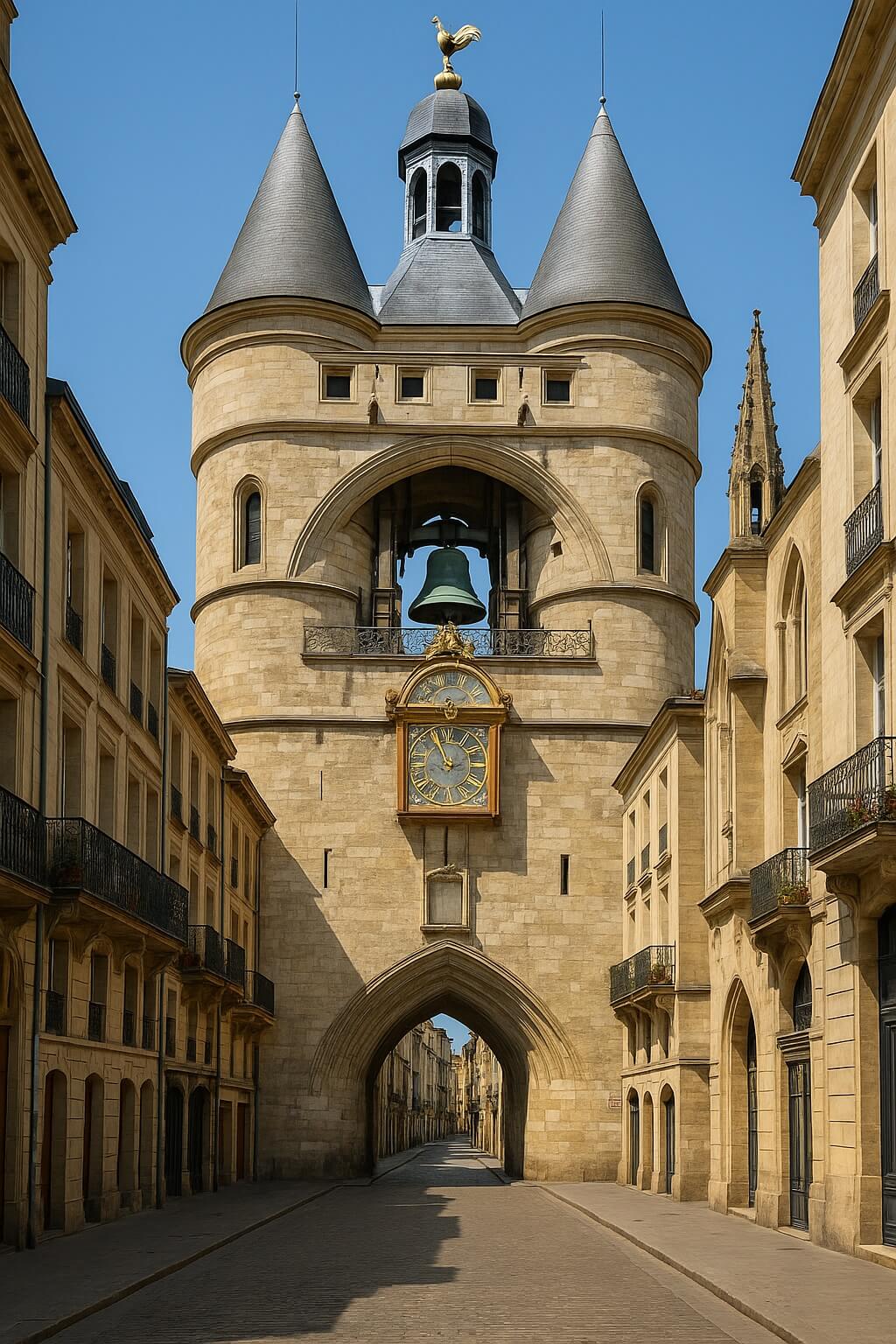
This medieval belfry is one of Bordeaux’s oldest civic monuments and survives as a rare reminder of the city’s fortified past. The bell tower is a strong contrast to the refined 18th-century center and helps explain why a Bordeaux food tour moves between merchant-era streets and older gateways.
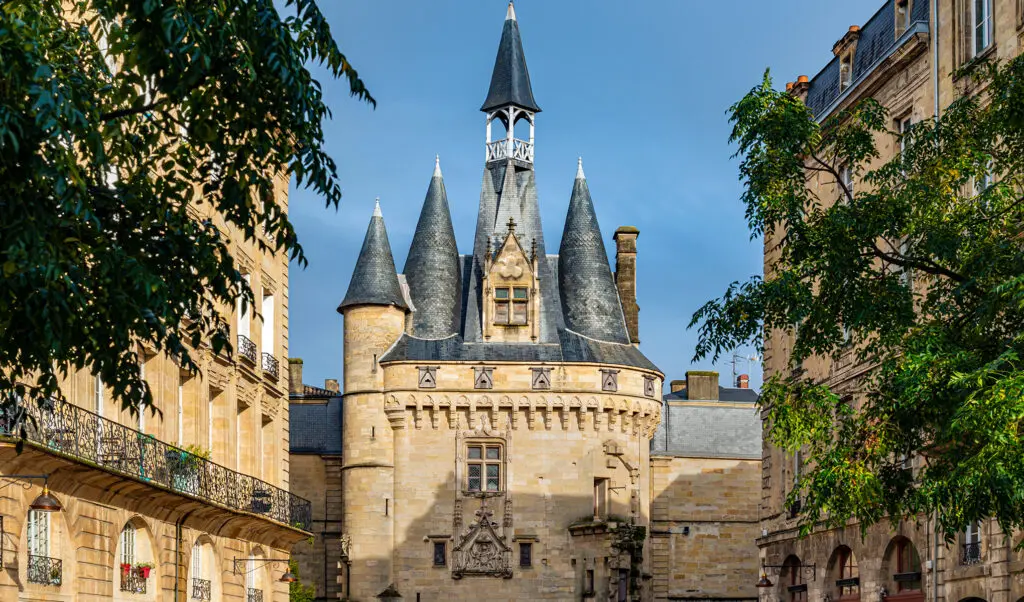
The Porte Cailhau combines defensive architecture with ceremonial presentation, and it stands out for its compact, castle-like silhouette. It is a useful landmark for understanding the city’s late-medieval street plan and the way gates once controlled movement into the old port district.
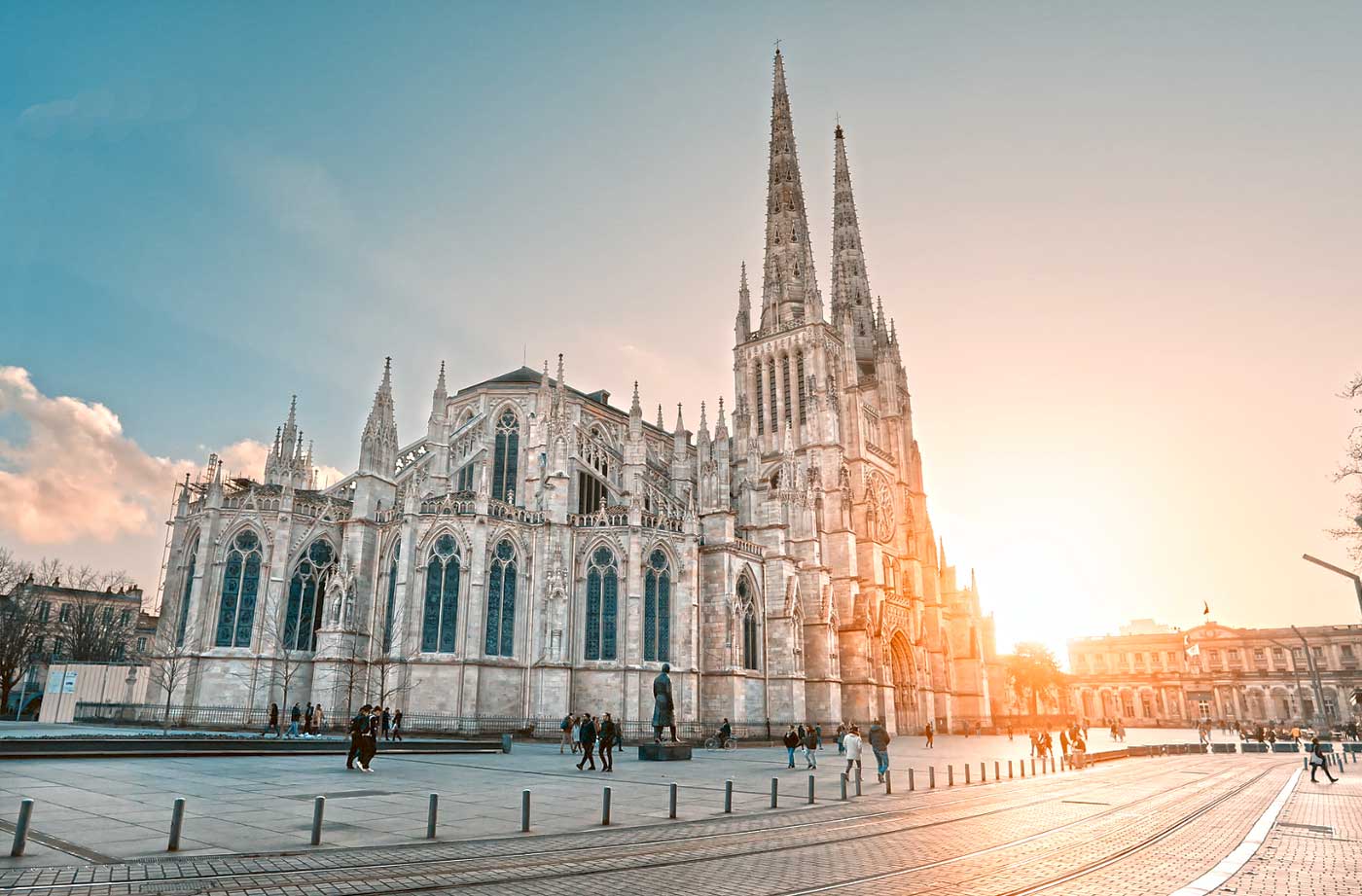
This Gothic cathedral is a major anchor in Bordeaux’s historic center and adds monumental scale to a food walk built around compact streets. The surrounding area links easily with the city’s civic square network, making it a practical reference point during a Bordeaux food tour tour.
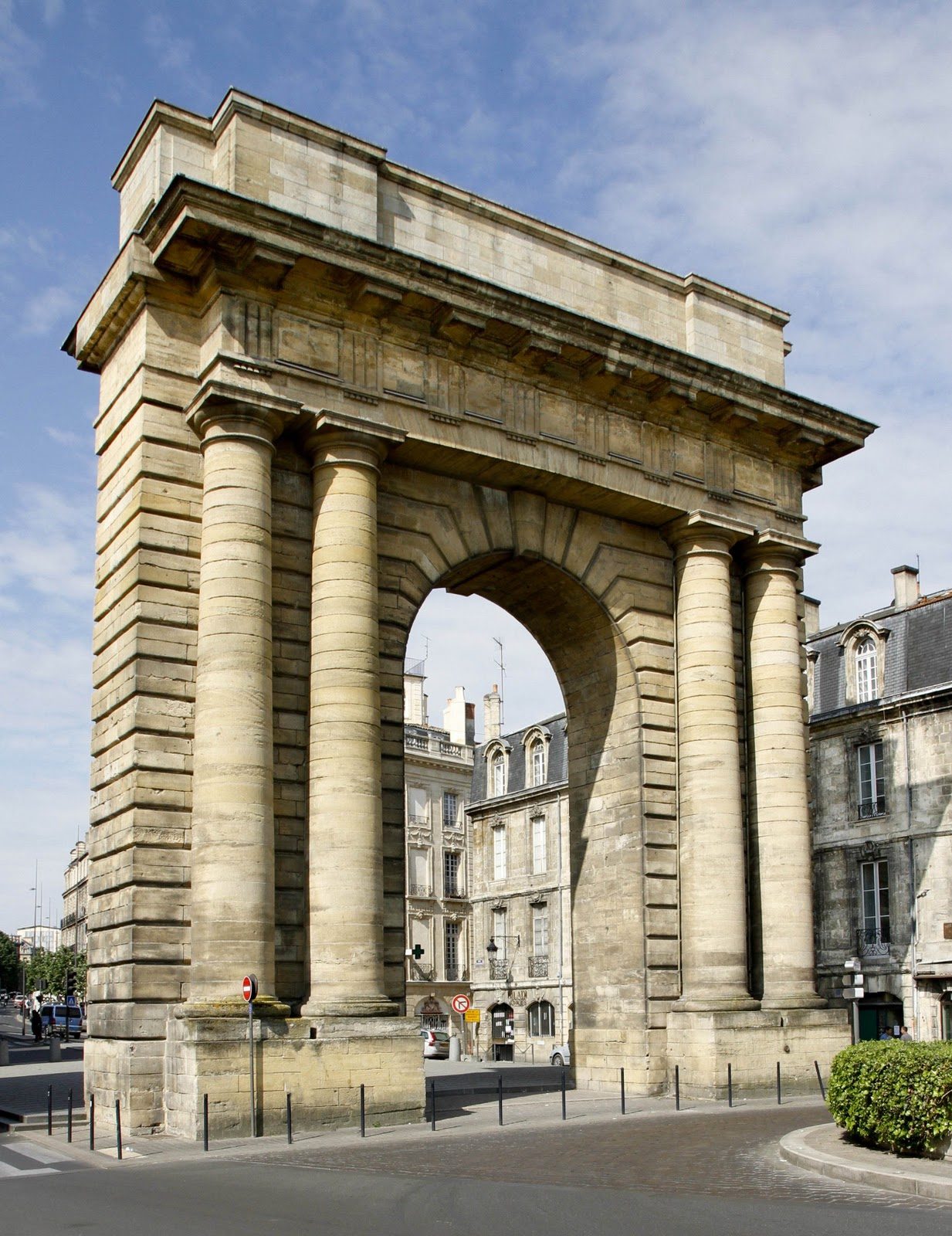
The arch marks a formal gateway near the river and gives a clear sense of how Bordeaux’s ceremonial axes meet the quay system. It is a good stop for reading the city’s stone façades, river access, and transit links in one view.
Every Bordeaux Food tour side-by-side — duration, what's included, how you redeem.
| Experience | Duration | Rating | Transfers | Guide | Small group | Free cancel. | Price | |
|---|---|---|---|---|---|---|---|---|
|
Guided Experience Most popular
St-Emilion Wine Tour with Château Tastings & Lunch
|
7 hr | ★ 4.9 | ✓ | ✓ | ✓ | ✓ | €155 | Book → |
|
Guided Experience
Full-Day Bordeaux Wine Tour: Saint-Émilion & Margaux
|
9 hr | ★ 4.8 | ✓ | ✓ | ✓ | ✓ | €180 | Book → |
|
Luxury / Private
Bordeaux Gourmet Walking Tour
|
3 hr 30 min | ★ 4.8 | — | ✓ | ✓ | ✓ | €66 | Book → |
All prices from verified partners. Availability and exact terms confirmed at checkout.
Choose your ticket, select your date, and reserve in under two minutes. Secure checkout handled by our verified partner.
Instant confirmation by email, with a mobile voucher you can save offline. No printing, no queuing at a collection desk.
Arrive at the entrance, show your voucher on your phone, and walk in. Most tickets include priority or skip-the-line access.
Practical details for Bordeaux Food tickets straight from our verified partners — hours, access, rules, and how to get there.
Wear comfortable walking shoes and season-appropriate layers, because Bordeaux Food Tour routes are on foot through central streets and historic districts. In summer, light clothing and sun protection help on exposed squares and quays; in cooler months, a compact rain layer is sensible.
The tour is organized as a small-group walking experience with tasting stops, so keep bags compact and easy to carry. Large suitcases are impractical on a moving food tour, and a small day bag is the best fit for shop visits, tastings, and walking between addresses.
Photography is generally suited to the tour’s street setting, markets, façades, and tasting moments. Be discreet inside food stops and private venues, especially when staff are serving or when other guests are seated.
Official Bordeaux tourism sources identify accessible heritage routes in central Bordeaux, but the food tour itself is a moving walking experience with multiple stops. Contact the operator before booking if mobility is a concern, because access can vary by itinerary, curb height, and venue layout.
Mobile phones are permitted. Keep ringer off inside exhibition spaces.
The operator states that tours are organized for groups of 2 to 6 people, and the style is intimate rather than large-scale. That makes the Bordeaux food tour workable for families with older children who can handle a 3-hour to 4-hour urban walk and repeated tastings.
Food is the point of the experience, and the official FAQ says tours are generous in size. The operator also notes that non-alcoholic drinks are available, and alternatives are offered whenever a stop includes wine.
Pets are not allowed, with the exception of service animals with appropriate documentation.
Bordeaux Food Tour is a private operator founded by Virginie at the end of 2016, and the official site frames the experience around artisan producers and local neighborhoods. For the clearest start, use the morning arrival window of 10:00–13:00 when the surrounding shops and market activity are most active.
Best time to go, insider tips, nearby landmarks, and the cancellation fine print — flip through to skim what matters to you.
Flexible, no hidden fees.
Booking prices vary by package, and the official site presents a contact-first, made-to-order approach for tours. The site pages reviewed do not publish a standard refund window, so the applicable cancellation terms should be checked at booking confirmation for the specific package.
Bordeaux earned UNESCO World Heritage status in 2007 not only for its neoclassical Place de la Bourse and eighteenth-century quays but for the living culinary tradition woven into its limestone streets.
The city's food identity rests on three pillars: Atlantic oysters hauled in from Arcachon Basin, Médoc lamb raised on salt marshes, and the dark rum-and-vanilla canelé invented by nuns at the Couvent des Annonciades in the 1700s. By the early twenty-first century, Bordeaux had shed its reputation as a wine-only destination and emerged as a hub for guided Bordeaux food tours that unpack centuries of maritime trade, peasant ingenuity, and merchant wealth.
A Bordeaux walking food tour typically threads through three neighborhoods: the Chartrons district, once the domain of wine négociants and now home to artisan chocolate makers and organic fromageries; the Capucins covered market, built in 1891 and renovated in 2019, where vendors sell everything from pâté de campagne to live crabs; and the Saint-Pierre quarter, a tangle of medieval lanes where family-run bakeries still bake canelés in copper molds at dawn. The best Bordeaux food tour operators work directly with producers—oyster farmers who open shells tableside, fourth-generation butchers who cure jambon de Bayonne in-house, and winemakers pouring samples from barrels stored in cellars that predate the French Revolution. These partnerships turn a tasting walk into a archive of local knowledge, each stop narrated by the people who grow, cure, bake, or age what you eat.
Bordeaux food tour reviews consistently highlight guides like Virginie, a former sommelier who pivoted to culinary storytelling after a decade in Pomerol vineyards, and Julien, a certified fromager who can trace the lineage of every raw-milk cheese on his route. Their tours avoid the trap of superficial sampling: instead of ten hurried bites, you receive five or six considered stops—enough time to learn why Bordeaux's entrecôte is grilled over vine cuttings, why the local almond paste is called massepain and not marzipan, and why the city's signature sweet was nearly lost to history before a pastry revival in the 1980s. A typical Bordeaux France food tour spans three hours and covers two kilometers on foot, calibrated so that the walk itself becomes a primer in urban archaeology—Roman foundations beneath a wine bar, eighteenth-century shipowner mansions converted into chocolate ateliers, and the iron-and-glass market halls that symbolize Bordeaux's Belle Époque prosperity. The result is a experience that treats food not as a commodity but as a narrative thread linking soil, craft, and memory across generations.
"A Bordeaux walking food tour threads through Chartrons chocolate makers, the 1891 Capucins market, and medieval bakeries still using copper molds at dawn."
A step-by-step walkthrough of Bordeaux Food tickets — what you'll see, how long each stage takes, and the details that matter.
You meet your guide at 109 Rue Georges Mandel mid-morning, when the city's markets are in full swing and vendors are still setting out their best produce.
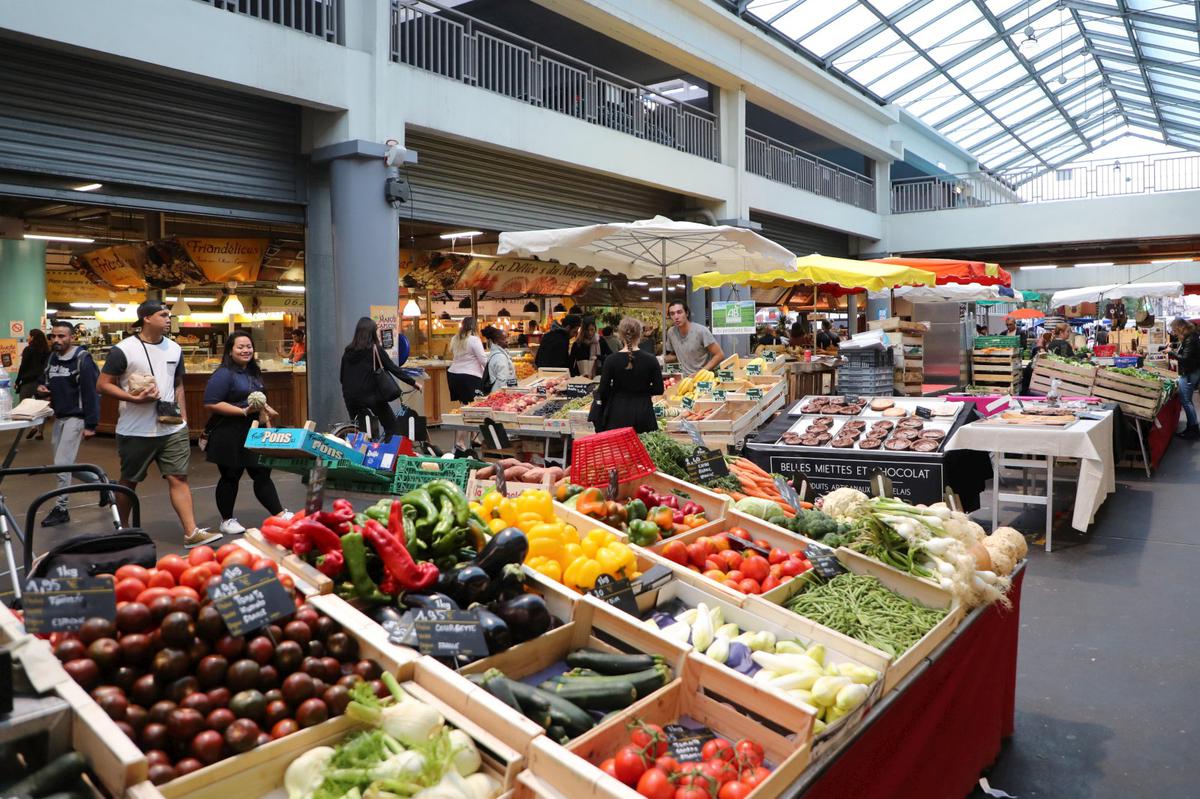
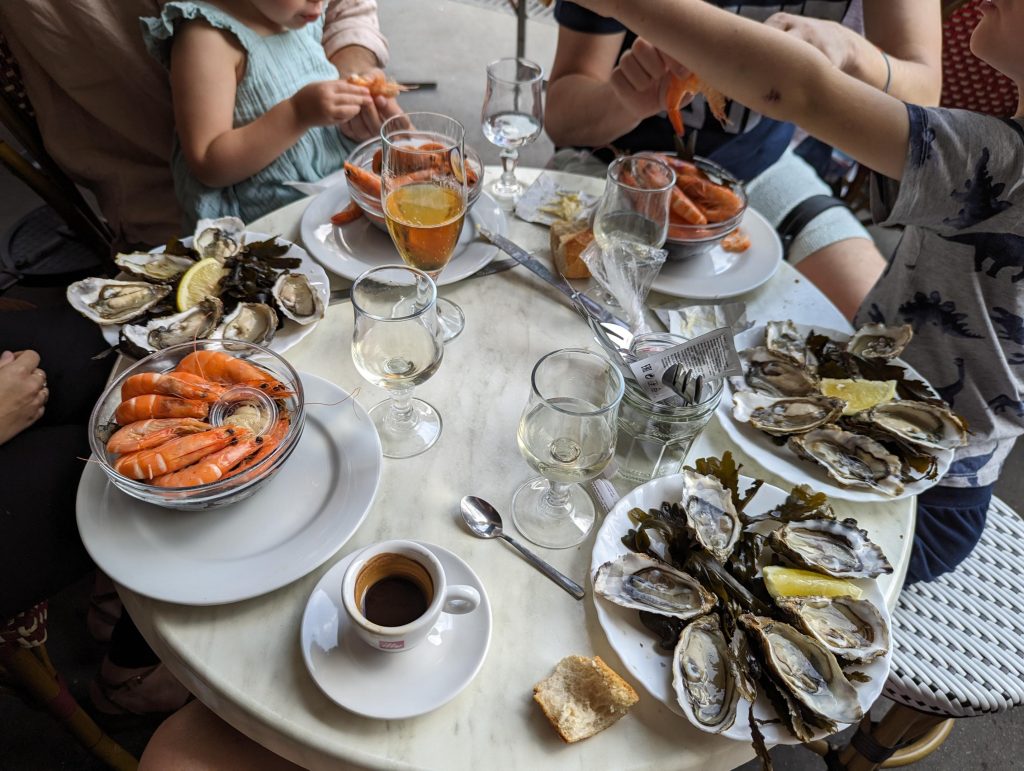
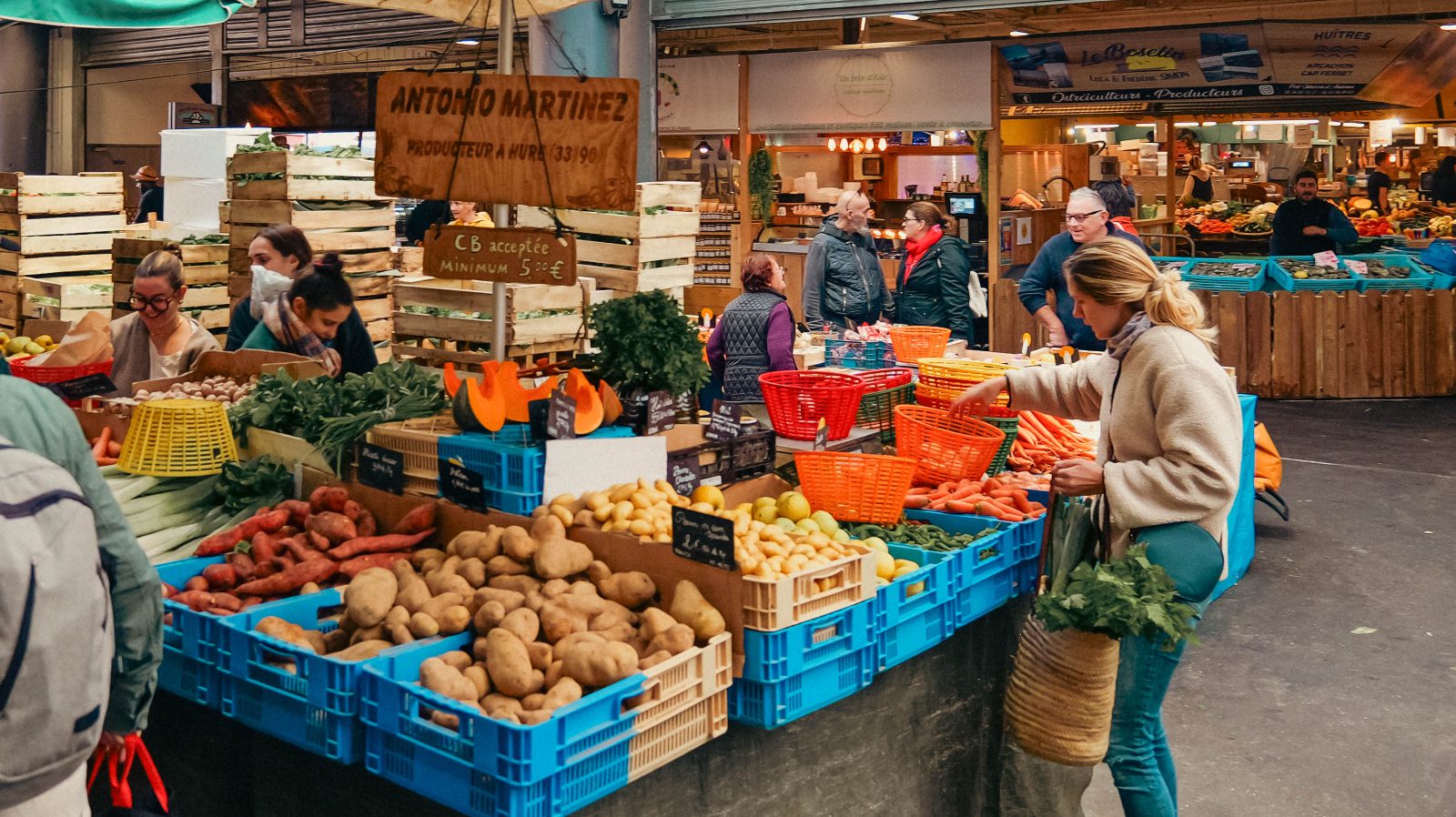
Within ten minutes you are standing inside Marché des Capucins, the vaulted iron hall where fishmongers shuck oysters to order and charcutiers slice jambon noir de Bigorre on hand-cranked slicers. Your guide orders a half-dozen Île d'Oléron oysters and a glass of chilled white Graves; you taste them at a zinc counter while she explains the difference between oysters raised in clay versus sandy beds.
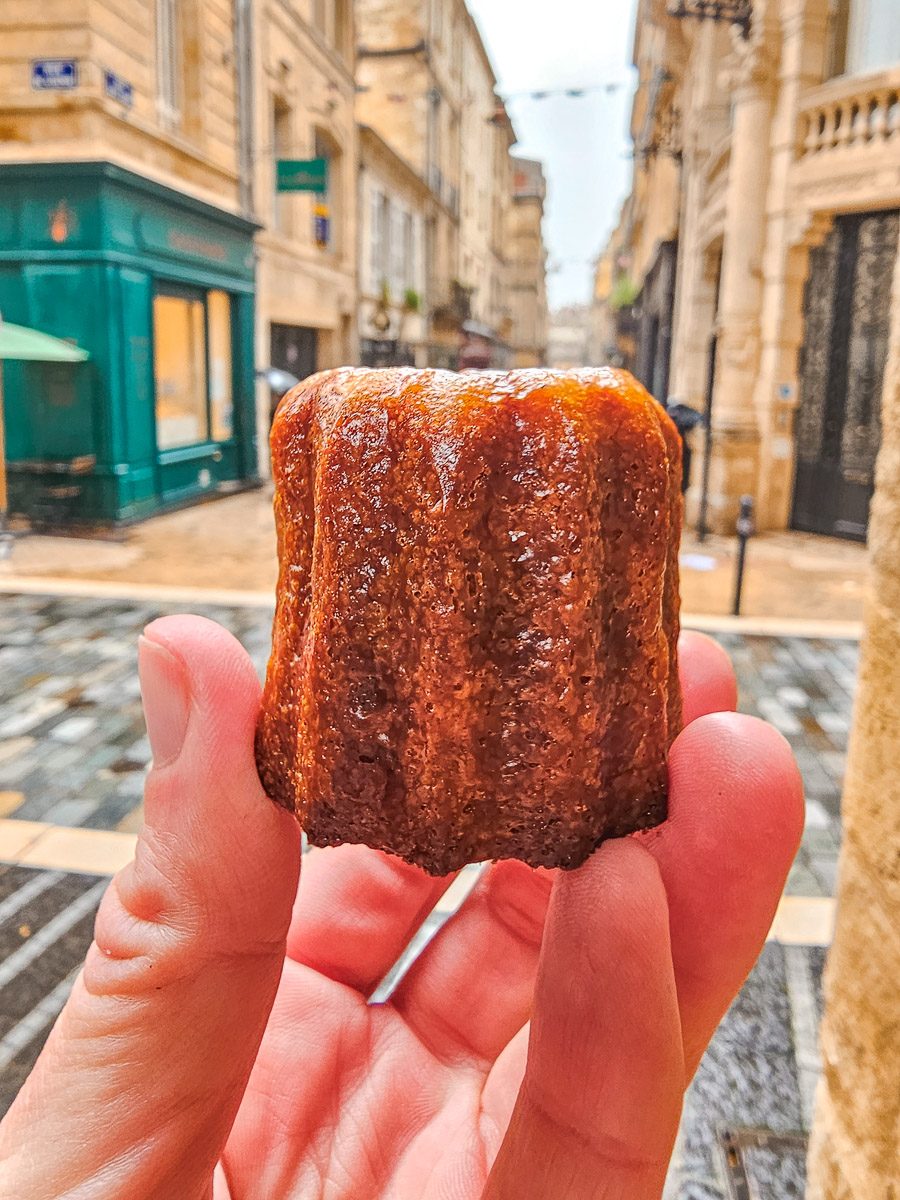
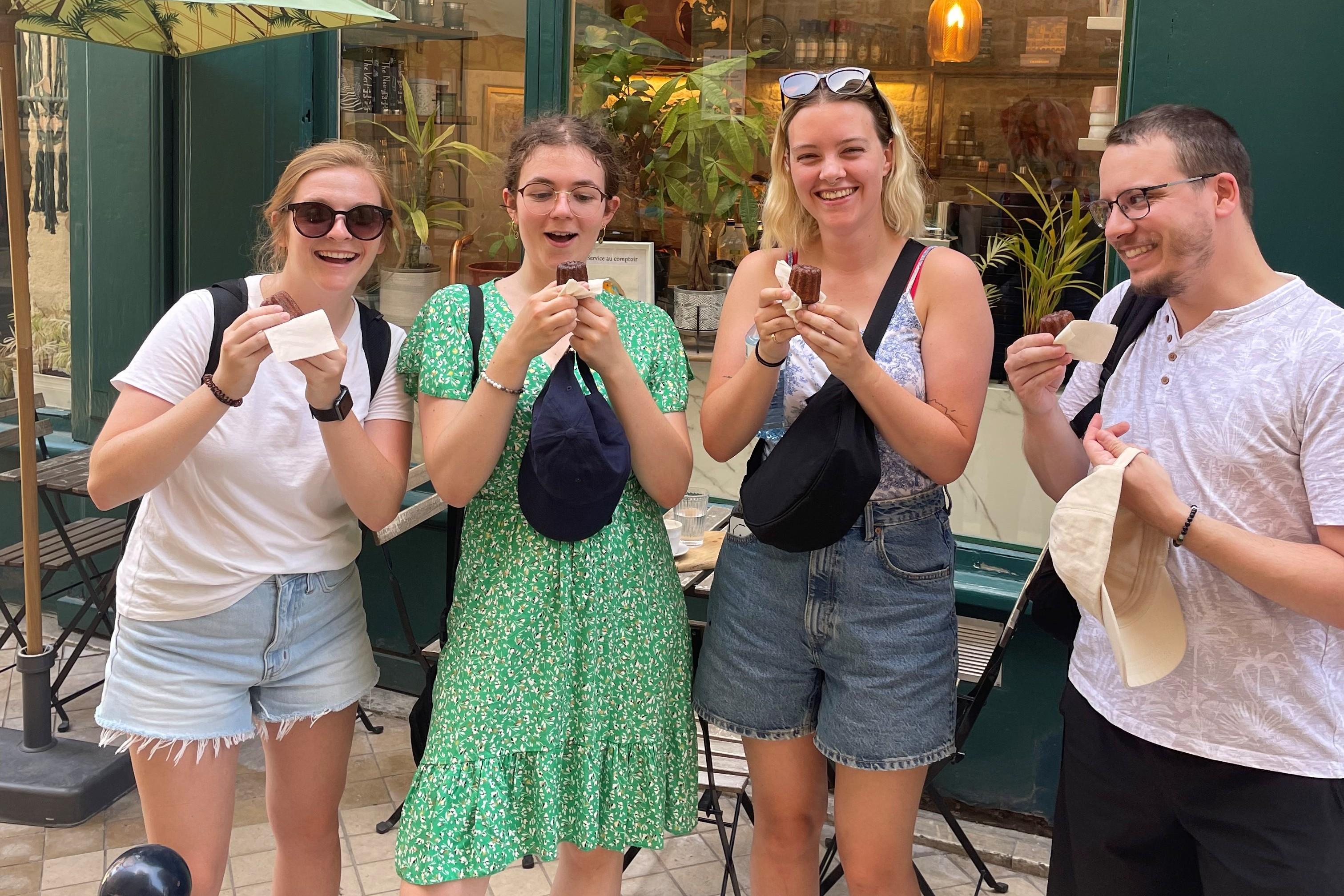
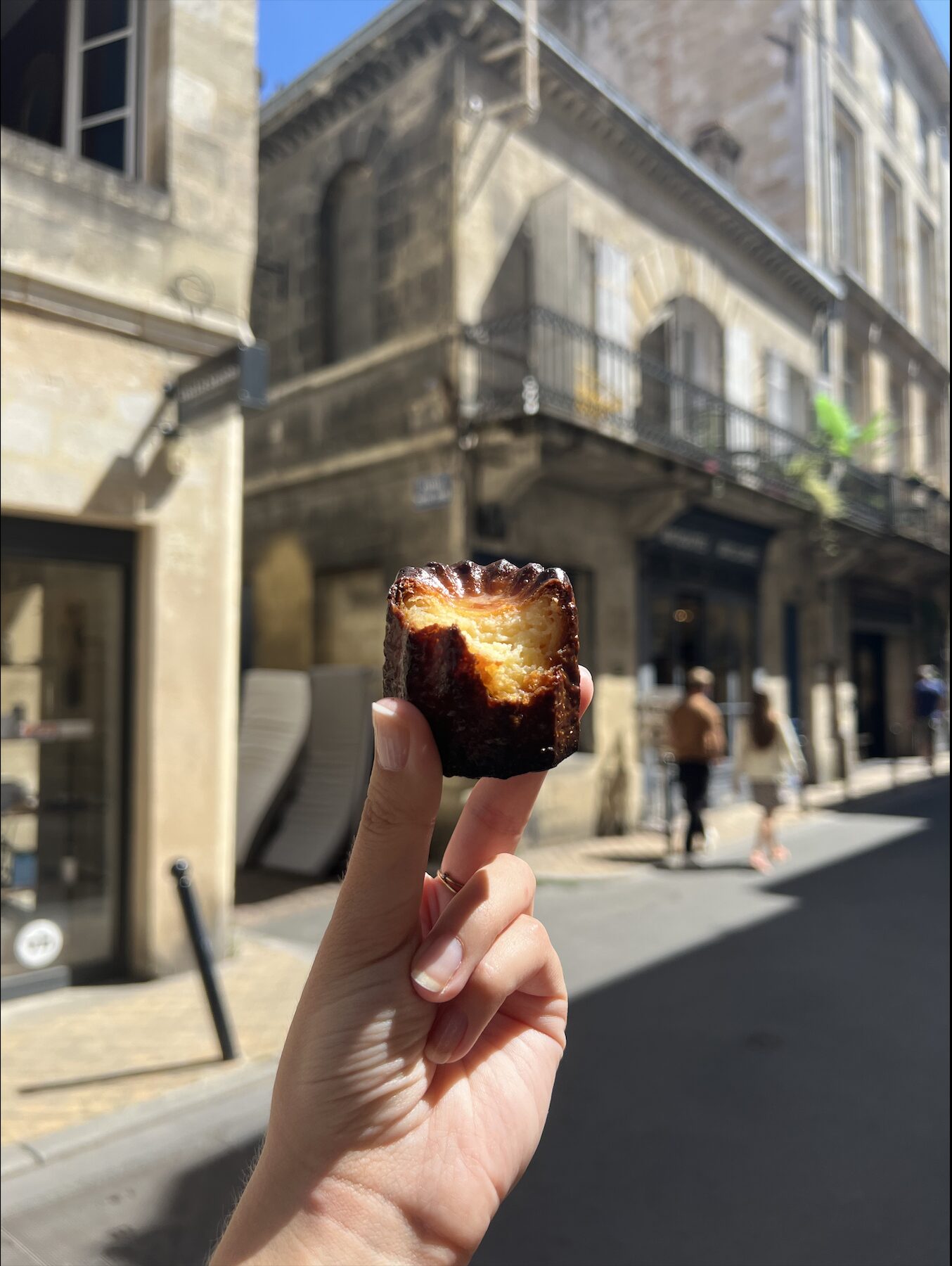
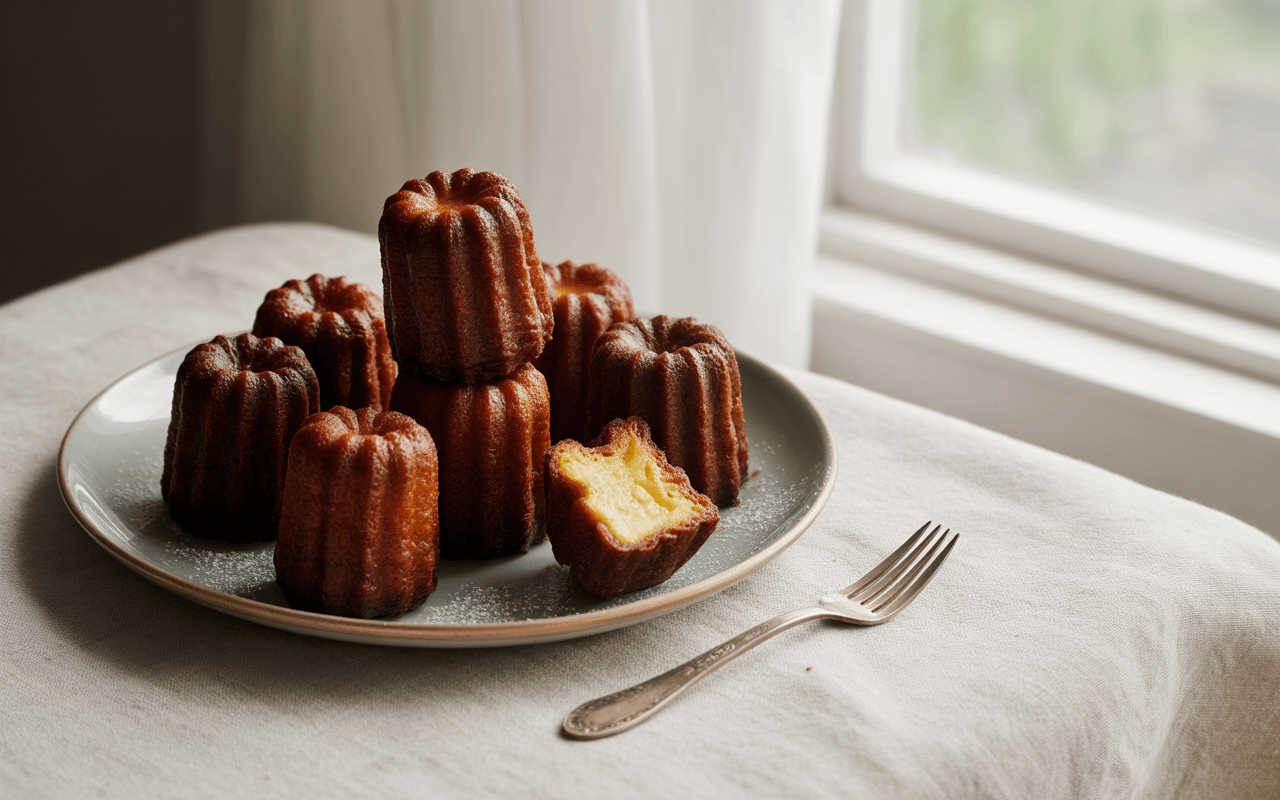
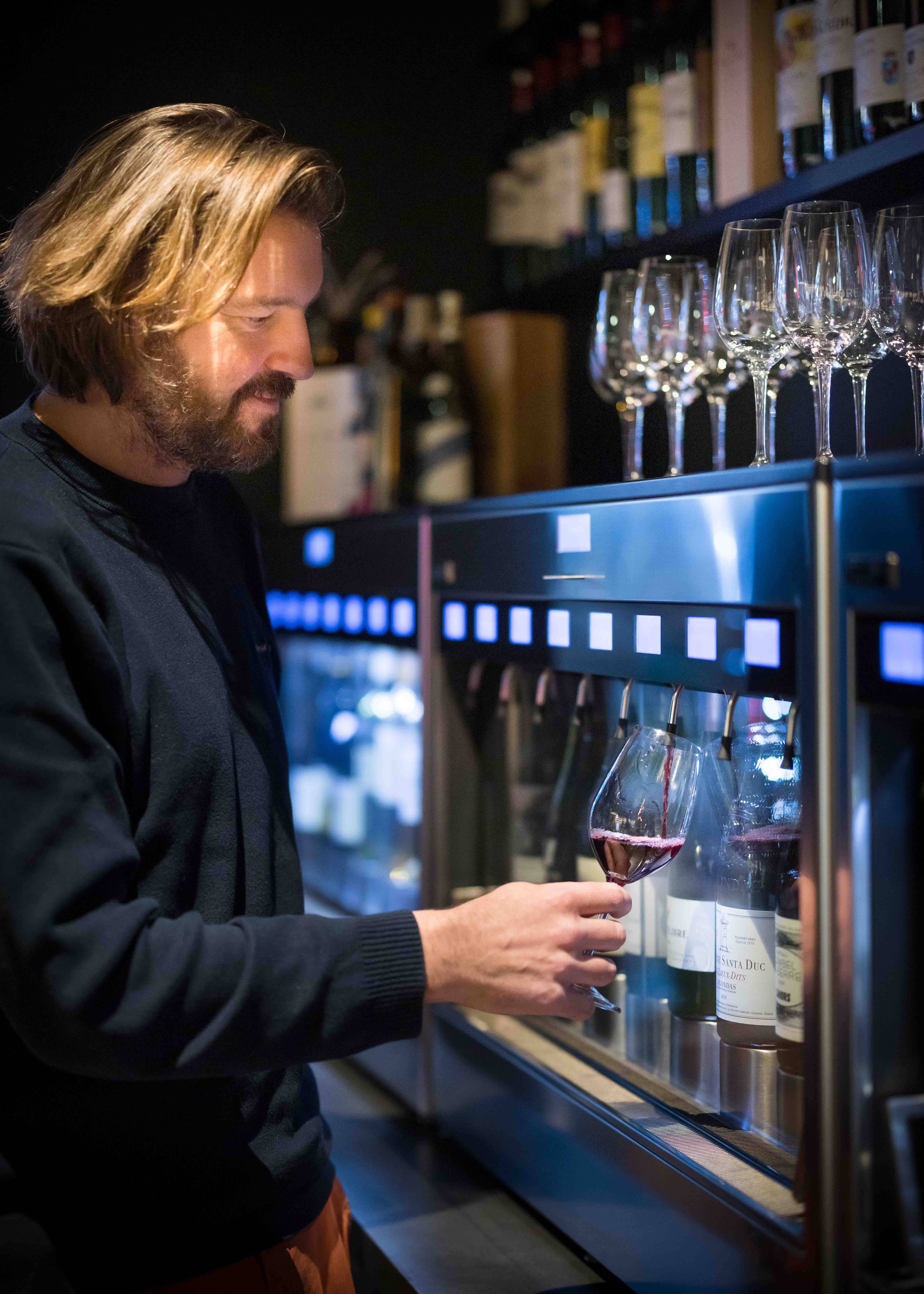
The route moves into the Chartrons district, where you stop at a century-old bakery to sample a still-warm canelé—the caramelized crust crackles, the interior is soft and faintly boozy—and then at a fromagerie to try three unpasteurized cheeses paired with quince paste. Your guide knows each vendor by name and shares the backstory of every ingredient: the almond paste made with a recipe from the 1600s, the duck confit cured with Guérande salt, the chocolate bar infused with Bordeaux wine lees. You finish in the Saint-Pierre quarter, descending a narrow staircase into a limestone wine cellar where a winemaker pours samples directly from the barrel. By the time you emerge onto the cobblestones, you have tasted eight regional specialties, walked two kilometers, and accumulated enough culinary context to navigate Bordeaux's markets on your own.
The Bordeaux Food Tour is open Tuesday through Saturday from 09:00 to 19:00, and it is closed on Monday and Sunday. For visit timing, the official best arrival window is 10:00–13:00.
No. The official weekly hours show Monday and Sunday as Closed for the Bordeaux food tour. Plan another day if you want the full experience.
The operator’s official site lists the address as 109 Rue Georges Mandel, 33000 Bordeaux, France. The best arrival window is 10:00–13:00, which matches the morning-tour rhythm when surrounding shops and markets are open.
Most published Bordeaux food tour tour options run about 3 hours to 4 hours 15 minutes depending on the package. The breakfast or afternoon snack format is listed at 3 hours, while the gourmet lunch stroll is 4 hours 15 minutes.
The operator’s public pages do not publish a universal mobility statement for every package, because itineraries vary. Bordeaux tourism does publish accessible routes in central Bordeaux, so check the exact route before booking if accessibility is important.
Keep your bag small and easy to carry, because the experience is a walking tour with multiple tasting stops and shop visits. A suitcase or bulky backpack would be awkward in the historic center and inside artisan venues.
Yes, but keep the camera discreet in shops and tasting rooms. Street façades, squares, market scenes, and plated food are the easiest places to photograph without interrupting the flow.
Wear comfortable walking shoes and clothes suited to the season. The tour moves through central Bordeaux on foot, so summer heat, winter rain, and cobblestones all matter more than formal dress.
Food is the centerpiece of the Bordeaux food tour, and the official FAQ says the tours are generous in size. Non-alcoholic drinks are available, and the operator provides alternatives when a stop includes wine.
Yes, the operator says tours are organized in small groups of 2 to 6 people and are intended to be convivial. Families with older children who can handle a few hours of walking are a better fit than families needing stroller-friendly logistics.
The official site pages reviewed do not publish a fixed refund window, so the cancellation terms depend on the booked package. That is why Bordeaux food tour tickets should be checked at confirmation for the exact cancellation rule.
You can combine the experience with Bordeaux’s historic center, including Place de la Bourse, the Water Mirror, Saint-Pierre, and Saint-Michel. Those landmarks are all close enough to build a compact day in the UNESCO-listed core.